The ANRI Information and Documentation Management Organisation was established pursuant to the Decision of the Head of ANRI No. HK.01/141/2010. The establishment of the ANRI PPID is in fulfilment of the provisions of Law No. 14 of 2008 on Public Information Disclosure, implemented for the purpose of:
- To guarantee citizens’ right to be informed about plans for public policy-making, public policy programmes and public decision-making processes, as well as the reasons behind public decisions;
- Encouraging public participation in the public policy-making process;
- Enhancing the active role of the public in public policy-making and the sound management of public bodies;
- To achieve good governance, namely governance that is transparent, effective and efficient, accountable and responsible;
- Understanding the reasons behind public policies that affect the livelihoods of many people;
- To advance knowledge and enrich the intellectual life of the nation; and/or
- To improve information management and services within public bodies in order to deliver high-quality information services.
Public information services within ANRI are based on the principle of public information transparency, namely:
- All public information is open and accessible to all users of public information.
- The scope of exempted public information is strictly defined and limited.
- Setiap Informasi Publik harus dapat diperoleh setiap Pemohon Informasi Publik dengan cepat dan tepat waktu, biaya ringan, dan cara sederhana.
VISION AND MISSION OF THE PPID
Vision
Making archives an authentic and reliable source of public information
- Making dynamic archives a reliable source of information,
- Turning static archives into a source of information of historical value,
- Providing public information services promptly and accurately,
- Delivering public information services through the use of Information and Communication Technology.
Duties and Responsibilities of the ANRI Public Information Officer
- Coordinating the storage and provision of all public information within ANRI;
- Coordinating the provision and dissemination of public information through announcements and/or requests via media that can effectively reach all stakeholders;
- Conducting an assessment of the consequences arising as provided for in Section 19 of the Freedom of Information Act before declaring that certain Public Information is exempt;
- Include a clear and explicit written statement of the grounds for exempting the public information, in the event that the request for public information is refused;
- Redacting or obscuring exempted public information, together with the reasons for doing so;
- To develop the capacity of functional officials and/or information officers with a view to improving the quality of public information services; and
- Coordinating and ensuring that appeals are processed in accordance with the appeals procedure in the event that a request for public information is refused; ANRI’s public information services are also supported by archivists and IT specialists.
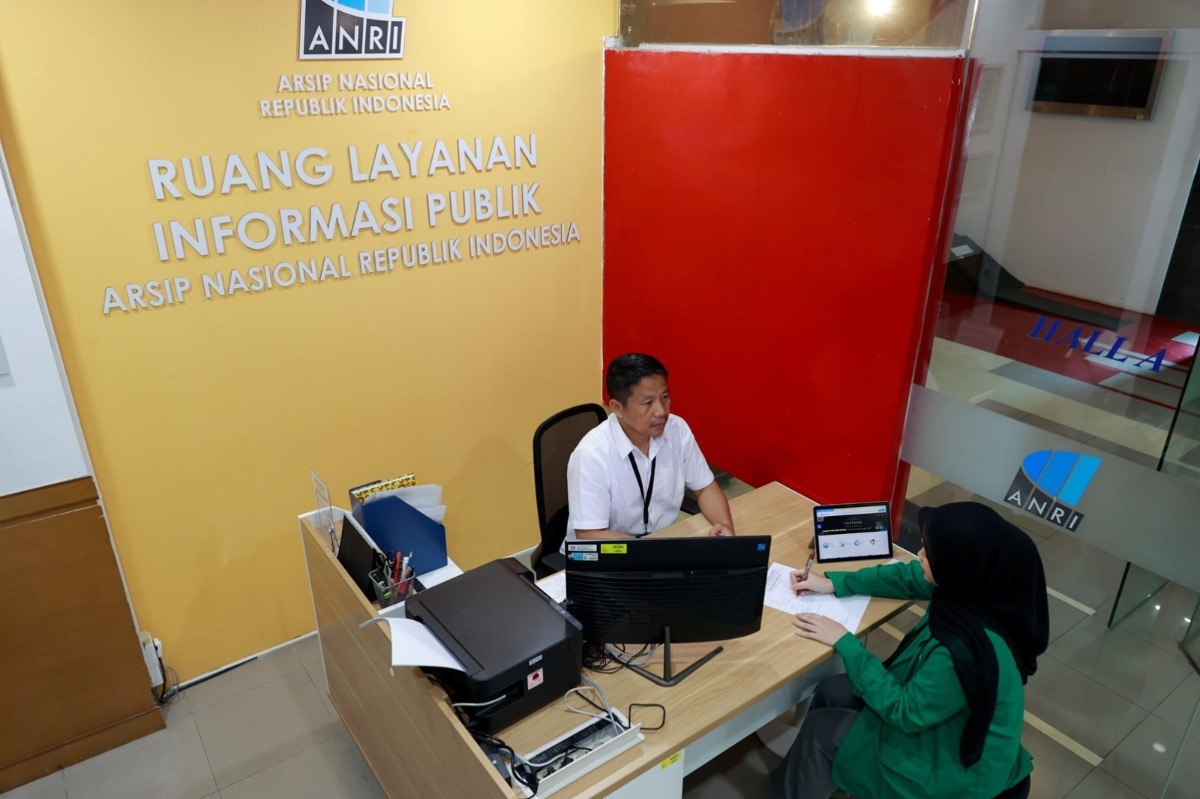



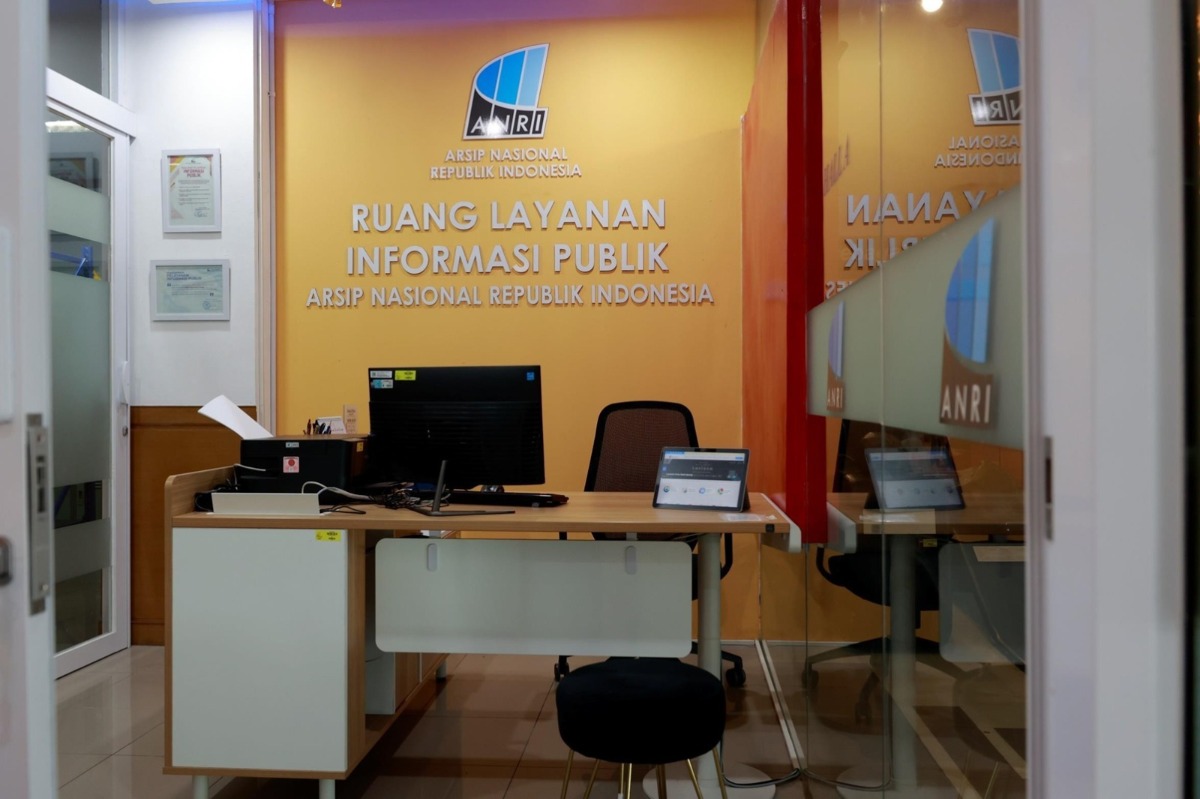
- Registration Desk,
- Service area,
- Computers and touchscreens,
- Photocopiers and Scanners
- And so on
Rights and Obligations of Public Bodies
Rights of Public Bodies
Pursuant to Article 6 of Law No. 14 of 2008 on Public Information Disclosure, it is stated that:
- A Public Body is entitled to refuse to provide information that is exempted in accordance with the provisions of laws and regulations.
- A Public Body is entitled to refuse to provide Public Information if it does not comply with the provisions of laws and regulations.
- Public Information that cannot be provided by a Public Body, as referred to in paragraph (1), is:
a. information that could endanger the state;
b. information relating to the protection of businesses from unfair competition;
c. information relating to personal rights;
d. information relating to official secrets; and/or
e. public information requested which has not yet been obtained or documented.
| 4. The grounds referred to in paragraph (1)(b) to (g) may be resolved through mutual consultation between the two parties. |
Obligations of Public Bodies
Pursuant to Article 7 of Law No. 14 of 2008 on Public Information Disclosure, it is stated that:
- Public bodies are required to make available, provide and/or publish public information falling within their remit to applicants for publicinformation, with the exception of information that is exempt in accordance with the relevant provisions.
- Public bodies are required to provide public information that is accurate, truthful and not misleading.
- In order to fulfil the obligations referred to in paragraph (2), public bodies must establish and develop information and documentation systems to manage public information effectively and efficiently so that it can be easily accessed.
- Public bodies are required to provide written justifications for every policy adopted to fulfil every person’s right to public information.
- The considerations referred to in paragraph (4) shall include, inter alia, political, economic, social, cultural, and/or national defence and security considerations.
- In order to fulfil the obligations referred to in paragraphs (1) to (4), Public Bodies may utilise electronic and non-electronic means and/or media
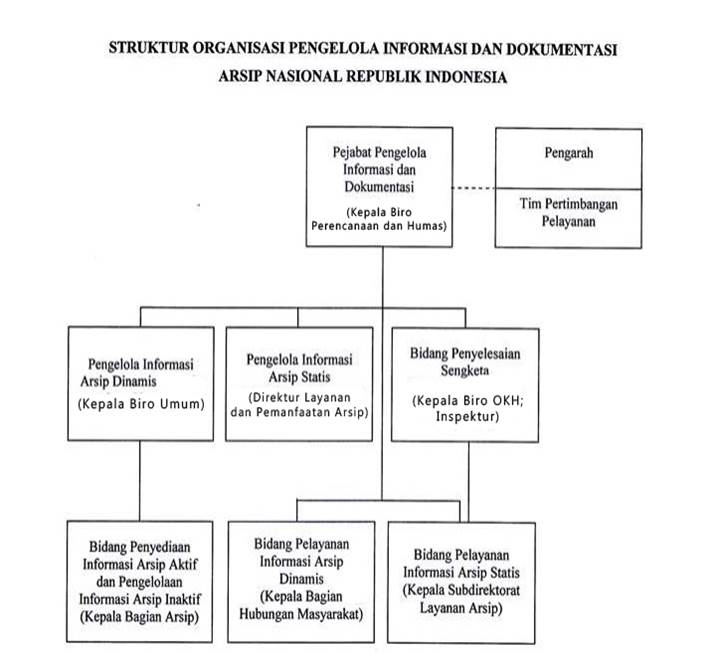
Structure of the Information and Documentation Management Officer (PPID)